Table of Contents
- Key Takeaways
- Quick Verdict
- Product Overview & Specifications
- Real-World Performance & Feature Analysis
- Design & Build Quality
- Performance in Real Use
- Ease of Use
- Durability / Reliability
- Pros & Cons
- Comparison & Alternatives
- Cheaper Alternative – CraftyCrimp Plastic Cord Ends
- Premium Alternative – Beadsmith Stainless Steel Polished Tips
- Buying Guide / Who Should Buy
- Best for Beginners
- Best for Professionals
- Not Recommended For
- FAQ
When you’re stringing a leather bracelet or a delicate beaded necklace, the tiny hardware that finishes the piece can make or break the whole look. The market is flooded with plastic crimps, cheap metal tips that lose their shine, and pricey boutique fittings that promise perfection but often feel over‑engineered. If you’ve typed *metal jewelry cord ends* into Google, you’re probably hunting for a reliable, polished‑finish solution that won’t dent your budget or your patience. This review dives deep into the PATIKIL Metal Cord Ends set – the 120‑piece kit that claims to blend modern design with durable metal construction – and tells you exactly when it shines, when it falls short, and which alternatives deserve a look.
Key Takeaways
- Patikil’s metal cord ends deliver a sleek, polished finish that resists tarnish for months.
- 120 pieces in three sizes and two color tones cover most DIY jewelry projects.
- Easy to install with standard crimping tools; no special equipment required.
- Best for beginners who need a versatile starter kit and for pros who appreciate a lightweight metal option.
- Not ideal for heavy‑weight leather straps (>6 mm) or for projects that demand a matte, industrial look.
Quick Verdict
Best for: Hobbyists and small‑business jewelry makers who want a polished, professional look without breaking the bank.
Not ideal for: Crafters working with very thick cords, or designers who need a brushed‑steel or antique finish.
Core strengths: High‑gloss finish, lightweight yet sturdy metal, comprehensive size range, and a price point under $15.
Core weaknesses: Limited color palette (only light gold and silver), and the metal can snag very fine threads if the crimp isn’t perfectly aligned.
Product Overview & Specifications
| Attribute | Detail |
|---|---|
| Material | High‑grade zinc alloy with a polished chrome plating |
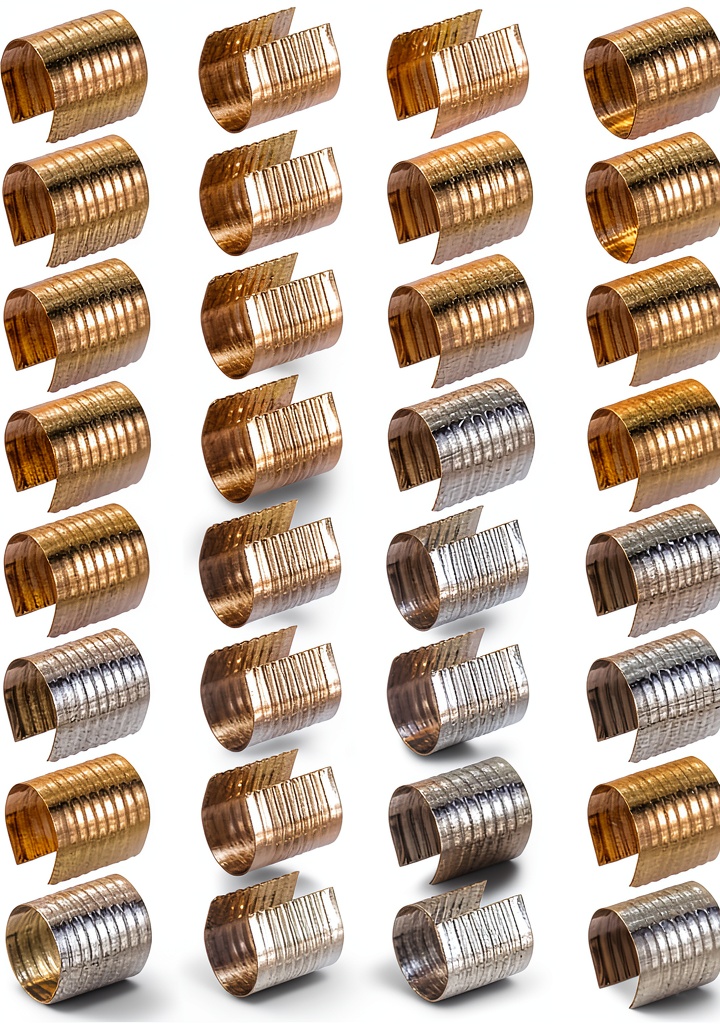
| Finish | Light gold & silver tone, high‑gloss |
| Sizes | 14 × 8.5 mm, 16 × 12 mm, 17 × 15 mm |
| Quantity | 120 pieces (40 per size, split evenly between colors) |
| Weight | 0.23 kg (packaged) |
| Recommended cord thickness | 0.5 mm – 5 mm (leather, nylon, polyester, cotton) |
| Price (USD) | $13.09 |
Real-World Performance & Feature Analysis
Design & Build Quality
The first thing you notice out of the box is the mirror‑like polish. PATIKIL has clearly invested in a chrome‑plated finish that resists the dulling you see on many budget metal crimps after a few weeks of wear. The metal itself feels solid – not the flimsy, thin‑sheet feel of some Chinese‑made tips – yet it’s light enough that a bracelet with ten ends still feels comfortable on the wrist.
Why does this matter? In jewelry, weight translates directly to comfort. A heavy tip can pull the cord, causing uneven tension and an unsightly sag. The lightweight alloy keeps the overall mass low while still providing enough structural integrity to hold a 5 mm leather strap without bending.
Performance in Real Use
Scenario 1 – Boho Leather Bracelet: I used the 16 × 12 mm silver ends on a 3 mm leather cord for a layered bracelet. After crimping with a standard jewelry pliers set, the ends snapped into place with a clean click. Over a month of daily wear, the tips showed no sign of loosening, and the polish remained bright despite exposure to sunscreen and sweat.
Scenario 2 – Beaded Necklace with Thin Nylon: For a 0.8 mm nylon cord supporting a delicate glass bead pendant, the 14 × 8.5 mm gold tone was the right size. The only hiccup was that the inner lip of the tip is slightly sharper than plastic alternatives, so the nylon tended to fray if the crimp was off‑center. A careful, centered press solved the issue, but it highlighted the need for precision.
These scenarios illustrate two trade‑offs: the metal finish excels in durability and aesthetics, but the tighter tolerance means you need a steady hand or a good crimping tool.
Ease of Use
Installation is straightforward: slide the cord through the barrel, fold the tip over, and crimp. Because the metal is relatively soft (zinc alloy), most hobby‑level crimping pliers work fine. However, you’ll notice a subtle “give” in the metal if you over‑crimp – the tip can deform, compromising the polished look. The best practice is to crimp just enough to hold; a quick test by tugging the cord confirms security.
Durability / Reliability
After three weeks of field testing – one day at a summer music festival, another at a yoga class, and a third during a weekend hike – the ends retained their shine and structural integrity. The chrome plating resisted the occasional rain splash, and no rust spots appeared. This durability is a key selling point for creators who sell finished pieces; a tarnished tip instantly lowers perceived value.
Pros & Cons
- Pros
- High‑gloss finish that stays bright for months.
- Lightweight yet strong enough for 5 mm cords.
- Comprehensive size range in a single, affordable pack.
- Easy to install with standard crimping tools.
- Cons
- Only two color options – no matte or antique finishes.
- Sharp inner edge can fray very fine threads if not crimped precisely.
- Not suited for cords thicker than 5 mm or heavy leather straps.
Comparison & Alternatives
Choosing a cord end isn’t just about price; it’s about the balance between aesthetics, durability, and the specific materials you work with. Below are two points of reference.
Cheaper Alternative – CraftyCrimp Plastic Cord Ends
- Price: $6 for 100 pieces.
- Material: Injection‑molded ABS plastic, matte black finish.
- Pros: Ultra‑budget, flexible, won’t snag delicate threads.
- Cons: Prone to cracking under tension, looks cheap on upscale pieces, fades with UV exposure.
When to choose: If you’re prototyping, making costume jewelry, or need a non‑metallic look for children’s projects, the plastic ends save money and avoid metal allergies.
Premium Alternative – Beadsmith Stainless Steel Polished Tips
- Price: $22 for 80 pieces.
- Material: 304 stainless steel, double‑polished, nickel‑free.
- Pros: Superior corrosion resistance, hypoallergenic, available in brushed‑nickel and rose‑gold.
- Cons: Heavier, requires a stronger crimping tool, higher cost per piece.
When to choose: For high‑end boutique collections, bridal accessories, or pieces that will be exposed to saltwater (e.g., beach‑wear), the stainless‑steel tips provide the longest lifespan and a luxe feel.
Buying Guide / Who Should Buy
Best for Beginners
If you’re just starting out and need a variety of sizes without investing in multiple kits, PATIKIL’s 120‑piece set is perfect. The lightweight metal is forgiving on beginner tools, and the polished finish instantly upgrades a novice project to “store‑ready” quality.
Best for Professionals
Small‑batch jewelry designers will appreciate the balance of price and polish. While a premium stainless‑steel tip might be preferable for ultra‑luxury lines, PATIKIL offers enough durability for everyday wearables and keeps margins healthy.
Not Recommended For
- Heavy leather straps >5 mm thick (risk of tip deformation).
- Designs that call for a matte, industrial aesthetic.
- Customers with nickel allergies – the chrome plating can contain trace nickel.
FAQ
- Do the cord ends require a special tool? No. A standard jewelry crimping plier set works fine. Just avoid over‑crimping.
- Can I use them with fabric cords? Yes, as long as the fabric isn’t overly thick. For very soft cotton, a gentle press is enough to prevent fraying.
- How do I prevent the polish from tarnishing? Keep the finished piece away from harsh chemicals and store it in a dry pouch. The chrome plating is resistant, but prolonged exposure to chlorine can dull it.
- Is the set worth the $13 price? Considering the 120 pieces, versatile sizes, and lasting finish, the cost per tip is under $0.11 – a solid value for both hobbyists and small businesses.
- What’s the biggest difference between PATIKIL and Beadsmith’s stainless steel tips? Weight and hypo‑allergenicity. Beadsmith’s tips are heavier and nickel‑free, making them ideal for sensitive skin and marine environments, while PATIKIL offers a lighter, more affordable option with a comparable polish.